
Protein is one of the most essential nutrients your body needs for growth, muscle repair, immunity, and overall health. While many people associate protein with meat, vegetarians can easily meet their daily protein requirements by choosing the right combination of plant-based foods and dairy products.
Whether your goal is building muscle, losing weight, or simply maintaining a healthy lifestyle, including high protein foods for vegetarians in your diet can make a significant difference. From traditional high protein Indian food like dal and paneer to nutritious options like tofu, quinoa, and Greek yogurt, there are plenty of delicious choices available.
In this guide, you’ll learn why protein is important, discover the best vegetarian protein sources, explore healthy meal ideas, and find practical tips for increasing your daily protein intake.
What Are High-Protein Foods?
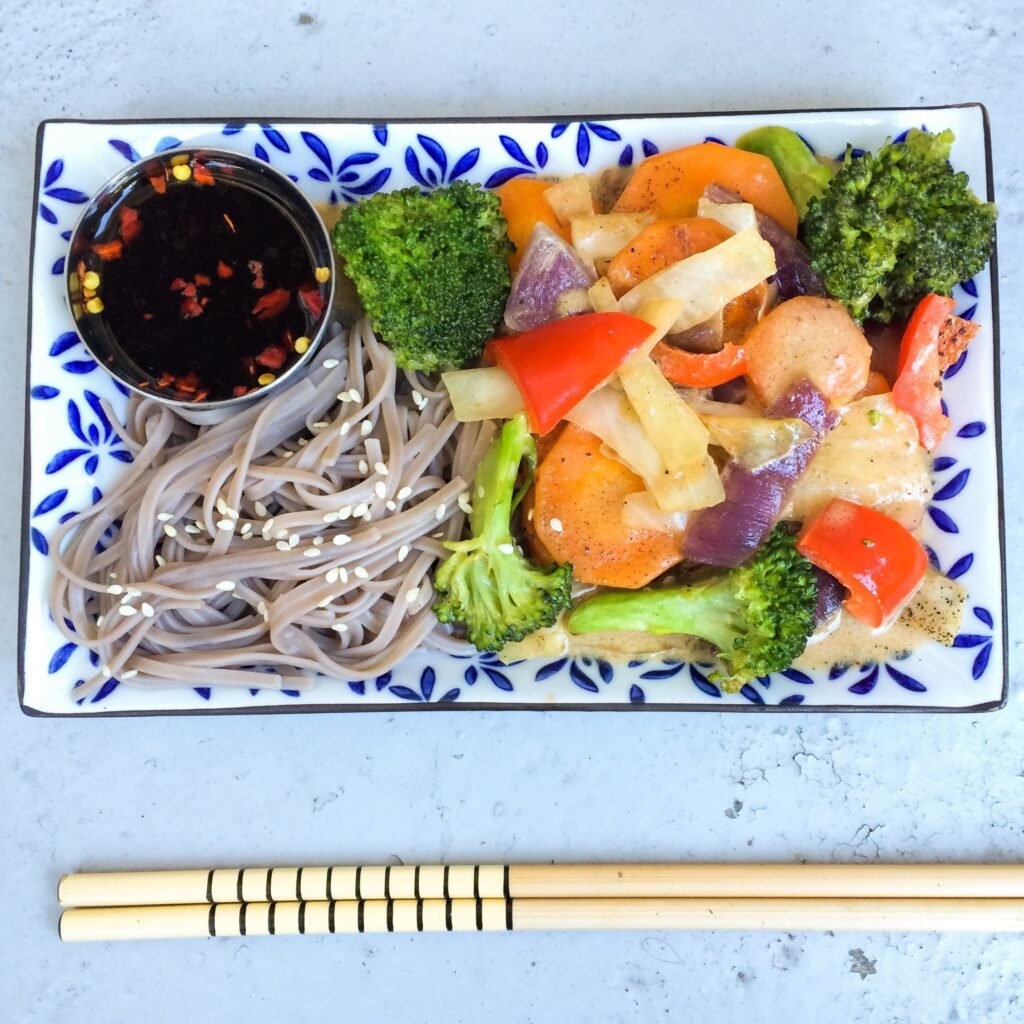
High-protein foods provide a substantial amount of protein relative to their serving size. Protein is made up of amino acids, often called the building blocks of the body because they help build muscles, repair tissues, produce hormones and enzymes, and support healthy skin, hair, and bones.
A well-planned vegetarian diet that includes legumes, dairy products, soy foods, whole grains, nuts, and seeds can provide all the protein your body needs.
Why Is Protein Important?
Protein plays several essential roles in maintaining good health:
- Builds and repairs muscles
- Supports healthy bones
- Boosts immunity
- Keeps you full for longer
- Promotes healthy metabolism
- Supports hair, skin, and nail health
Adults generally require around 0.8 grams of protein per kilogram of body weight, while physically active individuals may need between 1.2 and 2.0 grams per kilogram, depending on their activity level.
Signs of Protein Deficiency
Not getting enough protein may lead to:
- Muscle weakness
- Fatigue
- Slow recovery after exercise
- Hair thinning
- Brittle nails
- Frequent illness
- Increased hunger
Including protein-rich foods regularly can help prevent these issues.
Benefits of Eating High-Protein Vegetarian Foods
A protein-rich vegetarian diet provides much more than muscle support. It contributes to overall health while supplying important vitamins, minerals, and fiber.
Supports Muscle Growth and Recovery
Protein helps repair muscle tissue after exercise and supports lean muscle development, making it essential for active individuals.
Helps with Weight Management
Protein increases satiety, helping you stay full for longer. Choosing high protein low carbs food can reduce unnecessary snacking and support healthy weight management.
Improves Bone Health
Protein works alongside calcium and vitamin D to maintain strong bones. Dairy products and soy-based foods are excellent choices for vegetarians.
Provides Long-Lasting Energy
Unlike refined carbohydrates, protein is digested more slowly, helping maintain stable energy levels throughout the day.
Supports Overall Wellness
Most vegetarian protein sources are also rich in nutrients such as iron, calcium, magnesium, zinc, potassium, and dietary fiber, contributing to better heart health, digestion, and immunity.
10Best High Protein Foods for Vegetarians
1. Legumes and Pulses
Legumes are affordable, nutritious, and naturally rich in protein and fiber.
Best choices include:
- Lentils
- Chickpeas
- Kidney beans (Rajma)
- Black beans
These foods contain approximately 8–9 grams of protein per 100 grams (cooked) and are excellent for curries, soups, salads, and stews.
2. Soy-Based Foods
Soy products are considered complete proteins because they contain all nine essential amino acids.
Top choices:
- Tofu
- Tempeh
- Soybeans
- Edamame
Depending on the variety, soy foods provide 11–20 grams of protein per 100 grams and are ideal for stir-fries, salads, sandwiches, and grilled dishes.
3. Dairy Products
For lacto-vegetarians, dairy products are among the best protein sources.
Include foods such as:
- Paneer
- Greek yogurt
- Milk
- Cheese
Paneer provides around 18 grams of protein per 100 grams, making it one of the most popular high protein Indian food options.
4. Whole Grains
Whole grains contribute protein while supplying complex carbohydrates and fiber.
Popular options include:
- Quinoa
- Oats
- Amaranth
Oats are particularly popular as a high protein breakfast, especially when combined with milk, yogurt, or nuts.
5. Nuts and Seeds
Although calorie-dense, nuts and seeds provide healthy fats, protein, and essential minerals.
Good choices include:
- Almonds
- Peanuts
- Pumpkin seeds
- Chia seeds
- Flax seeds
These make excellent snacks and can easily be added to smoothies, yogurt, or oatmeal.
6. Other Protein-Rich Foods
Several vegetables and specialty foods also contribute to your daily protein intake, including:
- Green peas
- Broccoli
- Mushrooms
- Nutritional yeast
While these foods contain less protein than legumes or soy, they provide valuable vitamins, antioxidants, and fiber.
High Protein Indian Food
Indian cuisine naturally includes many protein-rich vegetarian dishes. Some of the best options are:
- Moong Dal
- Rajma
- Chole
- Sattu
- Paneer Bhurji
- Sprouts
- Soy Chunks
- Besan Chilla
- Mixed Dal
These foods combine protein with fiber, iron, and other essential nutrients, making them ideal for a balanced vegetarian diet.
High Protein Breakfast Ideas
Starting your day with protein helps maintain energy levels and reduces hunger throughout the morning.
Healthy breakfast options include:
- Oats cooked with milk and nuts
- Greek yogurt with fruits and seeds
- Besan chilla with curd
- Paneer sandwich on whole-grain bread
- Smoothies made with milk, yogurt, and peanut butter
A balanced high protein breakfast supports better concentration, improved metabolism, and muscle recovery.
Sample High-Protein Vegetarian Meal Plan
Breakfast
Greek yogurt with oats, fruits, and chia seeds.
Lunch
Brown rice with rajma or dal, vegetables, and salad.
Evening Snack
Roasted chickpeas or mixed nuts.
Dinner
Paneer or tofu with vegetables and whole wheat roti.
Post-Workout
Greek yogurt, soy milk, or a protein-rich smoothie.
How to Increase Protein Intake Naturally
Improving your protein intake doesn’t require major dietary changes. Follow these simple tips:
- Include a protein source in every meal.
- Choose roasted legumes or nuts instead of processed snacks.
- Pair complementary proteins such as rice with dal or beans with whole grains.
- Prepare protein-rich meals in advance to make healthy eating more convenient.
- Eat a variety of protein sources rather than relying on one food.
Common Mistakes to Avoid
Many people unknowingly limit their protein intake by making a few common mistakes.
Avoid these habits:
- Skipping breakfast
- Eating too little protein throughout the day
- Depending on only one protein source
- Consuming excessive processed foods
- Ignoring vegetables and dietary fiber
- Not drinking enough water
A balanced diet with diverse protein sources is far more effective than focusing on a single food.
Frequently Asked Questions
Which vegetarian food has the highest protein?
Soy products such as tempeh, tofu, and soybeans are among the richest vegetarian protein sources. Paneer and Greek yogurt are also excellent options.
Can vegetarians get enough protein?
Yes. A balanced diet that includes legumes, dairy, soy foods, nuts, seeds, and whole grains can easily meet daily protein requirements.
Is paneer better than tofu?
Both are nutritious. Paneer is richer in calcium and has a creamier texture, while tofu is generally lower in calories and saturated fat. Your choice depends on your nutritional goals.
What are the best high protein Indian foods?
Rajma, chole, moong dal, soy chunks, sprouts, paneer, besan chilla, and sattu are among the best choices.
Are protein supplements necessary?
Most healthy individuals can meet their protein requirements through food alone. Supplements may be helpful only if dietary intake is insufficient or protein needs are unusually high.
Conclusion
Following a vegetarian diet doesn’t mean compromising on protein. By including a variety of high protein foods for vegetarians, you can easily meet your nutritional needs while enjoying delicious and balanced meals.
Foods such as lentils, chickpeas, tofu, paneer, Greek yogurt, soybeans, quinoa, nuts, and seeds provide high-quality protein along with essential vitamins, minerals, and fiber. Whether you’re searching for high protein Indian food, planning a nutritious high protein breakfast, or looking for high protein low carbs food to support weight management, there are plenty of healthy options to choose from.
The key is to include protein in every meal, eat a variety of nutrient-rich foods, and maintain a balanced diet. With consistent healthy eating habits, you can support muscle growth, maintain energy levels, improve overall health, and enjoy the long-term benefits of a protein-rich vegetarian lifestyle.