
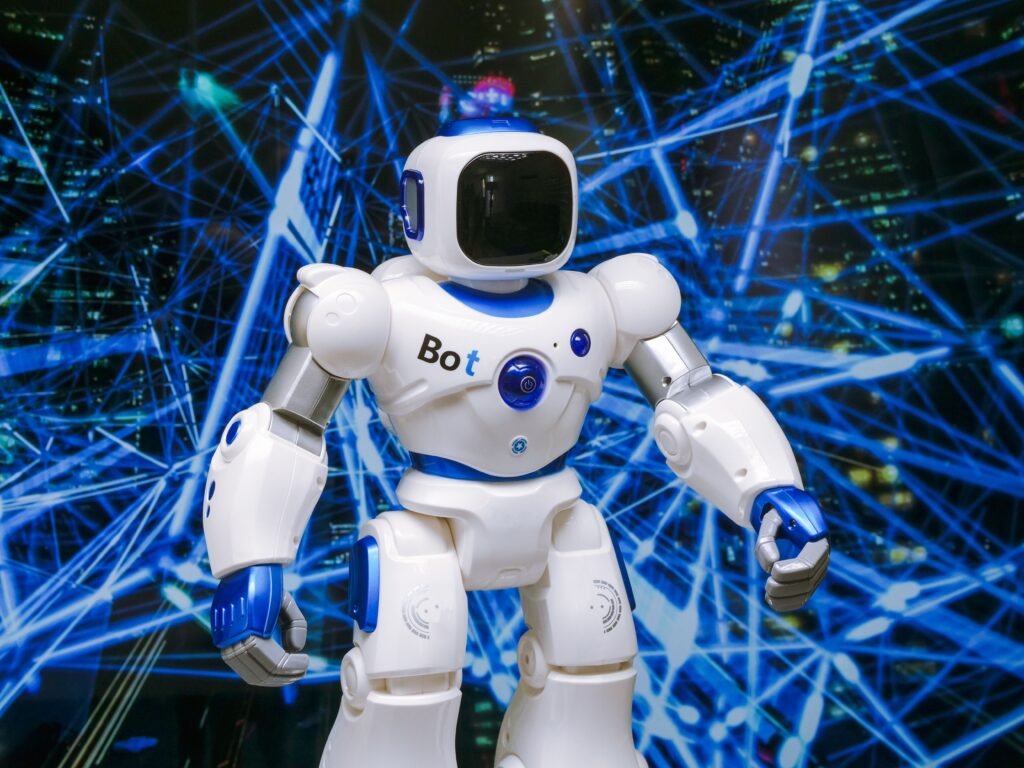
Introduction
Artificial Intelligence (AI) is rapidly changing the way we live, work, and interact with technology. From virtual assistants and chatbots to self-driving cars and advanced healthcare solutions, AI is becoming an essential part of modern life. Businesses across industries are adopting AI-powered tools to improve efficiency, reduce costs, and deliver better customer experiences.
In this blog, we’ll explore what AI is, its benefits, applications, and why it is shaping the future of innovation.
What is Artificial Intelligence?
Artificial Intelligence (AI) refers to the simulation of human intelligence in machines that are programmed to think, learn, and make decisions. AI systems can analyze large amounts of data, identify patterns, and perform tasks that typically require human intelligence.
Common AI technologies include:
- Machine Learning (ML)
- Natural Language Processing (NLP)
- Computer Vision
- Deep Learning
- Generative AI
Benefits of Artificial Intelligence
1. Increased Efficiency
AI automates repetitive tasks, allowing businesses to save time and focus on strategic activities.
2. Better Decision-Making
By analyzing large datasets, AI provides valuable insights that help organizations make informed decisions.
3. Enhanced Customer Experience
AI-powered chatbots and virtual assistants provide instant support and personalized recommendations.
4. Cost Reduction
Automation reduces operational expenses and improves productivity across departments.
5. Improved Accuracy
AI minimizes human errors and delivers more precise results in various business processes.
Applications of AI Across Industries
Healthcare
AI assists doctors in diagnosing diseases, analyzing medical images, and developing personalized treatment plans.
Finance
Banks and financial institutions use AI for fraud detection, risk assessment, and customer support.
E-commerce
Online stores leverage AI for product recommendations, inventory management, and customer service automation.
Education
AI-powered learning platforms provide personalized educational experiences for students.
Manufacturing
Manufacturers use AI for predictive maintenance, quality control, and process optimization.
How AI is Changing Businesses
Modern businesses are integrating AI into their daily operations to stay competitive. AI helps companies:
- Automate workflows
- Improve customer engagement
- Analyze market trends
- Optimize marketing campaigns
- Increase productivity
- Generate valuable business insights
Organizations that embrace AI today are better positioned for future growth and innovation.
Challenges of Artificial Intelligence
While AI offers numerous advantages, there are also challenges to consider:
- Data privacy concerns
- Security risks
- Ethical considerations
- Workforce adaptation
- Implementation costs
Businesses must adopt responsible AI practices to ensure transparency and trust.
The Future of Artificial Intelligence
The future of AI is incredibly promising. As technology continues to evolve, AI is expected to become more intelligent, accessible, and integrated into everyday life. Emerging trends such as Generative AI, autonomous systems, and AI-driven analytics will continue to revolutionize industries worldwide.
Companies that invest in AI today will gain a significant competitive advantage in the digital economy.

Conclusion
Artificial Intelligence is no longer a futuristic concept—it’s a powerful technology transforming businesses and society. From automation and data analysis to customer service and innovation, AI is helping organizations achieve greater efficiency and success.
As AI continues to advance, its impact on industries and daily life will only grow. Understanding and embracing AI is essential for businesses and individuals looking to thrive in the modern digital world.